-->
Rome
today is one of the most important tourist destinations of the world,
due to the incalculable immensity of its archaeological and art
treasures, as well as for the charm of its unique traditions, the beauty
of its panoramic views, and the majesty of its magnificent "villas"
(parks). Among the most significant resources: plenty of museums - (Capitoline Museums, the Vatican Museums, Galleria Borghese, and a great many others)—aqueducts, fountains, churches, palaces, historical buildings, the monuments and ruins of the Roman Forum, and the Catacombs. Rome is the 3rd most visited city in the EU, after London and Paris, and receives an average of 7-10 million tourists a year, which sometimes doubles on holy years. The Colosseum (4 million tourists) and the Vatican Museums (4.2 million tourists) are the 39th and 37th (respectively) most visited places in the world, according to a recent study. In 2005 the city registered 19.5 million of global visitors, up of 22.1% from 2001.
and also, in 2006 Rome has been visited by 6.03 million of
international tourists, reaching the 8th place in the ranking of the
world's 150 most visited cities. The city has also been nominated 2007's fourth most desirable city to visit in the world, according to lifestyle magazine Travel + Leisure, after Florence, Buenos Aires and Bangkok.

Rome's two most popular tourist destinations are the Vatican Museums (with over 4.2 million tourists per year, making them the world's 37th most visited destination) and the Colosseum (with around 4 million tourists a year, making it the world's 39th most popular tourist destination).Other popular sites include St Peter's Basilica, the Forum Romanum, the Pantheon, the Trevi Fountain, the Spanish Steps, Via Condotti, Via Veneto, the Capitoline Museums, the Villa Borghese gardens, the Villa Giulia, Piazza Navona, the Basilica di Santa Maria Maggiore, the Basilica of St. John Lateran, the Piazza del Popolo, the Castel Sant'Angelo, the Campo de' Fiori, the Quirinal Palace, the Lateran Palace and the Palazzo Barberini, to name a few.
-->
Rome's two most popular tourist destinations are the Vatican Museums (with over 4.2 million tourists per year, making them the world's 37th most visited destination) and the Colosseum (with around 4 million tourists a year, making it the world's 39th most popular tourist destination).Other popular sites include St Peter's Basilica, the Forum Romanum, the Pantheon, the Trevi Fountain, the Spanish Steps, Via Condotti, Via Veneto, the Capitoline Museums, the Villa Borghese gardens, the Villa Giulia, Piazza Navona, the Basilica di Santa Maria Maggiore, the Basilica of St. John Lateran, the Piazza del Popolo, the Castel Sant'Angelo, the Campo de' Fiori, the Quirinal Palace, the Lateran Palace and the Palazzo Barberini, to name a few.
Central Rome
Rome can be divided into several districts. The so-called historical center (centro storico) is quite small, only around 4% of the city's area. This is mainly made up of Old Rome and Colosseum, as explained below:- Modern Center—Where the hotels are, as well as shopping and dining galore along the Via Veneto; home to the Quirinale, Trevi fountain, Barberini, Castro Pretorio, and Repubblica areas.
- Historic quarter—the center of the Roman medieval and Renaissance periods, with several piazzas, cathedrals, the Pantheon, and plenty of laid back dining; includes the Navona, Campo de' Fiori, and the Jewish Ghetto neighborhoods
- The Vatican—the Papal City State and its endless treasure troves of sights, relics, and museums, as well as the surrounding Italian neighborhood, Vaticano
- Colosseum—the heart of ancient Rome, the Colosseum, the Roman Forum, the Forum of Augustus, the Forum and Markets of Trajan, the Capitoline and its museums
- North Centre—situated in the north part of Rome, home to the Villa Borghese, the Spanish Steps, and the elegant neighborhoods of Parioli and Salario
- Trastevere—the land to the south of the Vatican, on the west bank of the Tiber River, full of narrow cobbled streets and lonely plazas that served as the inspiration for artists such as Giorgio de Chirico, now arguably the center of Rome's artistic life
- Aventino-Testaccio—there are several restaurants in the area.
- Esquilino-San Giovanni—south of Termini, with an indoor market, Piazza Vittorio Emanuele, and the Cathedral of Rome Saint John in Lateran
- Nomentano—Municipio III, the neighborhoods "behind" the train station
-


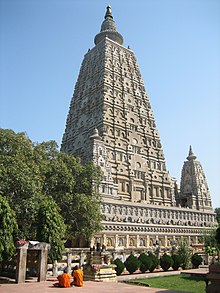

 The
Sentosa Island is full of amazing tours that also include the
wonderful parks. These are Butterfly Park, Underwater World, Insect
Kingdom and lots more to explore on this island. You will feel great
pleasure here as it is a very quiet place where the kids and family can
have fun and spend some time together. A complete entertaining trip can
be experienced which is unforgettable.
The
Sentosa Island is full of amazing tours that also include the
wonderful parks. These are Butterfly Park, Underwater World, Insect
Kingdom and lots more to explore on this island. You will feel great
pleasure here as it is a very quiet place where the kids and family can
have fun and spend some time together. A complete entertaining trip can
be experienced which is unforgettable.


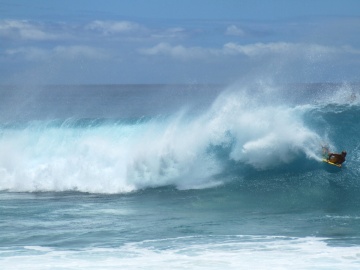


 The
North Pacific Coast is encompassed by the Guanacaste Province and is
the country's most visited region. However, this area, home to some of
the best and most easily accessible diving and surfing spots, is also
one of Costa Rica's least populated regions.
The
North Pacific Coast is encompassed by the Guanacaste Province and is
the country's most visited region. However, this area, home to some of
the best and most easily accessible diving and surfing spots, is also
one of Costa Rica's least populated regions. This
region is the most easily accessible, just a short distance from San
Jose. The resort towns offer a bit more nightlife than the other coasts,
and the surf here is fantastic, making Central Pacific the place for a
more lively vacation.
This
region is the most easily accessible, just a short distance from San
Jose. The resort towns offer a bit more nightlife than the other coasts,
and the surf here is fantastic, making Central Pacific the place for a
more lively vacation. Unlike
the Central Pacific Coast, the South Pacific is home to some of the
largest last remaining stretches of Pacific Coastal rainforests. This is
the coast surf if you're only packing a wetsuit, a board and a
sleeping bag -- you're surfing with Madre Nature.
Unlike
the Central Pacific Coast, the South Pacific is home to some of the
largest last remaining stretches of Pacific Coastal rainforests. This is
the coast surf if you're only packing a wetsuit, a board and a
sleeping bag -- you're surfing with Madre Nature. Even
though, the set of islands are quite isolated, one can arrive in the
country by plane since there are two airports belonging Saint Croix and
Saint Thomas.
Even
though, the set of islands are quite isolated, one can arrive in the
country by plane since there are two airports belonging Saint Croix and
Saint Thomas.


 This 2 years old, Conrad Tokyo Hotel is a
5 star hotel with all the latest facilities possible and comfort is
available to every visitor because of which this hotel is rated the
highest in the overview. The Conrad Tokyo opened on July 1, 2005,
combining world-class modern luxury with Japanese design elements.
Guestrooms are unified in simplicity by black granite and white marble;
all guestrooms are modeled on a city or garden design concept according
to their panoramic views over either the city of Tokyo or the Royal
Hamarikyu Garden and the Rainbow Bridge. Subtle color schemes match the
room concept: green for garden rooms and red for city rooms. A glass
partition separates bathrooms from guestrooms and enhances the spacious
living area. Bathrooms are designed for two people to use
simultaneously. They feature double white marble basins, rain showers
and hand showers, separate toilets and freestanding bathtubs large
enough for two. For privacy, an automatic wooden blind can be controlled
from inside
This 2 years old, Conrad Tokyo Hotel is a
5 star hotel with all the latest facilities possible and comfort is
available to every visitor because of which this hotel is rated the
highest in the overview. The Conrad Tokyo opened on July 1, 2005,
combining world-class modern luxury with Japanese design elements.
Guestrooms are unified in simplicity by black granite and white marble;
all guestrooms are modeled on a city or garden design concept according
to their panoramic views over either the city of Tokyo or the Royal
Hamarikyu Garden and the Rainbow Bridge. Subtle color schemes match the
room concept: green for garden rooms and red for city rooms. A glass
partition separates bathrooms from guestrooms and enhances the spacious
living area. Bathrooms are designed for two people to use
simultaneously. They feature double white marble basins, rain showers
and hand showers, separate toilets and freestanding bathtubs large
enough for two. For privacy, an automatic wooden blind can be controlled
from inside San
Diego has a new flying attraction. The Gaslamp was once the Stingaree
red-light district, home to Chinese opium dens, some 120 whorehouses,
and the lawman Wyatt Earp. More than a century later, it is filled with
jolly bars and restaurants like Osetra. The sixteen once-squalid square
blocks of Victoriana at the city's center are freshly scrubbed—urban
preservation by way of Chuck E. Cheese's.
San
Diego has a new flying attraction. The Gaslamp was once the Stingaree
red-light district, home to Chinese opium dens, some 120 whorehouses,
and the lawman Wyatt Earp. More than a century later, it is filled with
jolly bars and restaurants like Osetra. The sixteen once-squalid square
blocks of Victoriana at the city's center are freshly scrubbed—urban
preservation by way of Chuck E. Cheese's.


